
 Facebook
 Google
 GitHub
 Linkedin
Industry White Paper
Ultra-Low-Profile Current Sensing for Next-Generation Power Architectures
Learn how ultra-low-profile current sensing helps engineers overcome mechanical, thermal, and routing challenges in today's high-density power architectures for AI, servers, and advanced electronics.
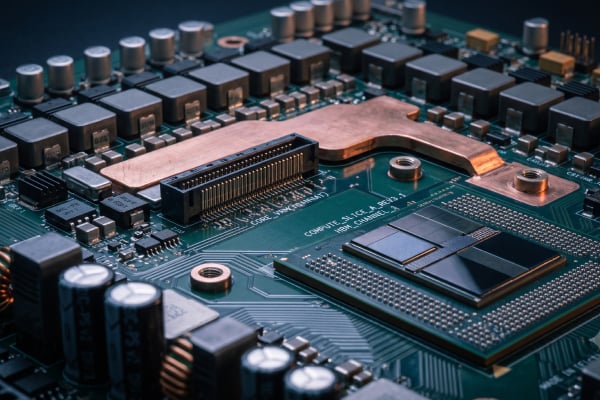
White Paper Overview
As power electronics continue evolving toward higher current densities and tighter packaging constraints, current sensing is no longer just an electrical specification. Mechanical integration, thermal management, routing flexibility, and package height have become critical factors in designing next-generation power architectures.
This white paper explores how ultra-low-profile current sensing addresses these emerging challenges across AI infrastructure, voltage regulator modules (VRMs), PMICs, embedded power systems, and advanced packaging environments. It examines the industry trends driving adoption, key design considerations, and the role low-profile architectures play in improving system integration and scalability.
Download to discover how ultra-low-profile current sensing can help simplify integration, optimize power delivery, and support the next generation of high-density electronic designs.

