Facebook
 Google
 GitHub
 Linkedin
Case Study: Sealed Tactile Switch Meets Needs of Power Tool Design
Power tools have demanding needs when it comes to tactile switches. Learn how an engineering team overcame integration, durability, and safety hurdles for this harsh environment.
Designing compact, durable, and user-friendly interfaces for handheld power tools presents a unique set of engineering challenges, particularly regarding the reliable operation of switches in harsh environments.
This case study examines how a European appliance manufacturer addressed challenges related to size constraints, environmental sealing, user ergonomics, and lifecycle durability by incorporating a tactile switch that is best suited for their battery-level indication system.
In this article, we look at key technical considerations and real-world performance benefits to help engineering teams facing similar design requirements.
Challenge: Compact Reliability for Harsh Environments
A leading European appliance manufacturer developing battery-powered handheld power tools—primarily drills and rotary devices—faced a critical challenge in designing their latest generation cordless product line. The engineering team needed to implement a compact, rugged, and highly reliable tactile switch that would activate the battery level indicator on the tool's interface.
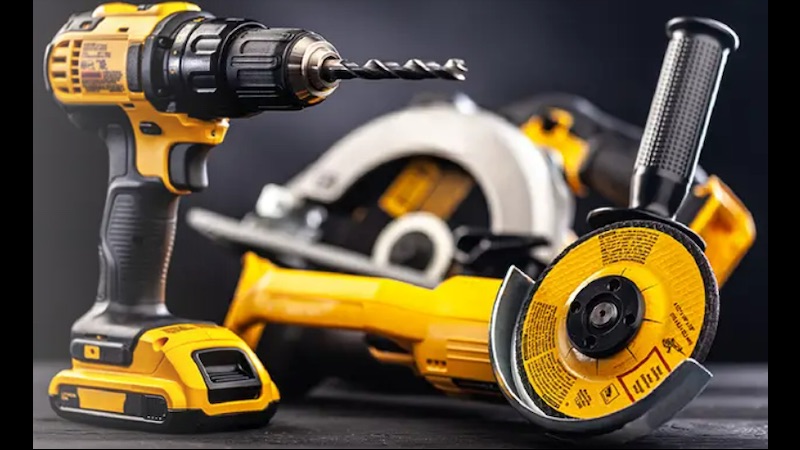
Figure 1. Power tools have demanding requirements when it comes to switches and indicators.
While this may sound like a relatively simple component to specify, the application presented a range of demanding design requirements. The switch had to operate consistently in demanding job-site environments, where exposure to dust, moisture, vibration, and frequent mechanical impact is routine.
It needed to fit into an already space-constrained PCB layout, provide excellent tactile feedback for ergonomic operation, and meet stringent safety standards without increasing manufacturing complexity or cost.
The battery level indicator is a key user interface element that gives real-time feedback on battery capacity. For professional users, especially those in construction, carpentry, and renovation, this feature must operate reliably under all conditions and throughout the tool's whole lifespan—often several years of intensive use.
Standard Push Buttons Aren’t Built for This
Initially, the team explored standard push-button switches already used in other appliances and consumer electronics projects. However, these switches quickly revealed limitations during prototyping and early field testing.
Durability was a major issue. Standard push buttons were typically rated for 100,000 actuations—sufficient for light-duty devices but inadequate for professional-grade tools used multiple times daily. The switches began showing signs of degradation well before the expected lifespan of the tool, prompting concerns about warranty returns and customer dissatisfaction.
Environmental sealing was another pain point. During extended testing, fine drilling dust began penetrating the switch housing, leading to mechanical sticking and electrical failure. Water splashes and high-humidity environments also caused corrosion and leakage, especially in unsealed or semi-sealed models.
Form factor and integration also presented recurring issues. The switches were too large to fit comfortably within the compact layout of the tool’s handle without design compromises. Misalignment during assembly sometimes causes inconsistent actuation, requiring rework or triggering customer complaints.
Ergonomics and safety added further complexity. The team needed a switch that could be activated easily—even while wearing gloves—yet not so sensitive that it caused false triggers during regular tool operation or accidental contact. Moreover, the switch had to safely interface with the battery management system (BMS) and any associated circuit protection devices, such as fuses or transistors, to prevent short circuits and meet EU safety regulations.
At this point, the engineers began asking more targeted discovery questions:
- What safety certifications and ingress protection levels are needed to ensure field reliability?
- Can we find a tactile switch that is already tested and rated for dust-tight and water-resistant applications?
- How will the switch interact with the power control circuitry and BMS logic?
- Is it possible to reduce the component footprint without sacrificing functionality?
Tactile Switch Offering Precision, Protection, and Longevity
After extensive testing and consultation, the team selected a sealed surface-mount tactile switch that met all their requirements: the Littelfuse KSC2 series. This switch delivered the right combination of ruggedness, compactness, and electrical performance to meet all application requirements.
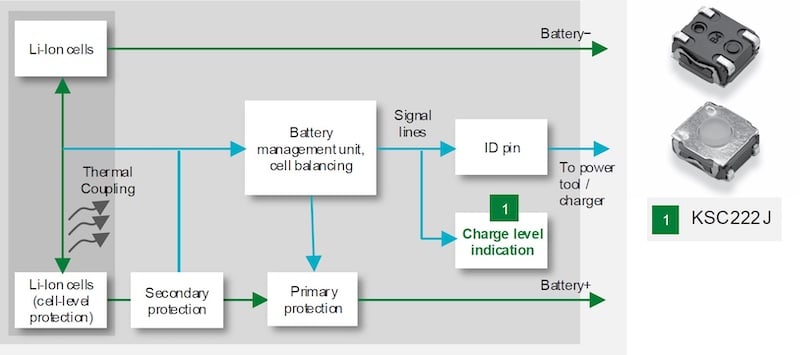
Figure 2. Tactile switch charge level indicator
Here's are the engineers’ analysis of how the selected tactile switch met each of the design challenges:
Compact and Space-Efficient
Measuring just 6.2 x 6.2 x 3.5 mm, the switch occupies 20% less PCB space than the previous design, making it easier to integrate into the already densely packed layout of the drill’s control board. The tight ±0.2 mm dimensional tolerance also reduced alignment issues by 50%, improving both placement accuracy and overall assembly yields.
Electrical Height Matters for Precision Integration
Two key dimensions help define tactile switch actuation: Electrical Travel (Te), the distance the actuator must move to close the circuit, and Electrical Height (He), the height from the PCB to the electrical switching point. Using Electrical Travel in stack-up calculations often leads to compounded tolerances of ±0.4 mm or more, which can affect tactile feel and reliability.
Prioritizing Electrical Height provides a more direct and precise measurement from the PCB, reducing variability and simplifying integration. With standard tolerances as tight as ±0.2 mm, Electrical Height provides improved consistency in switch performance and facilitates easier mechanical alignment during final assembly.
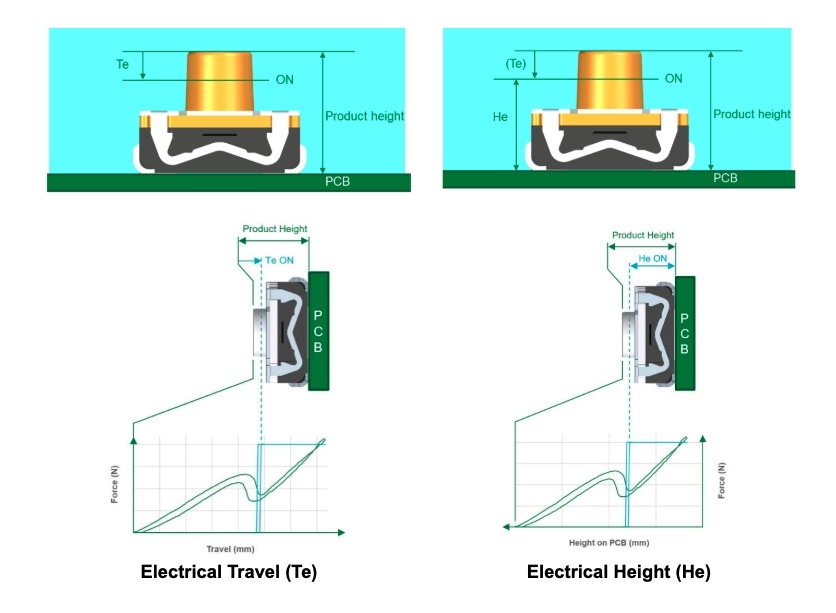
Figure 3. Electrical Height (He) versus Electrical Travel (Te). (Click image to enlarge)
Extreme Mechanical Durability
The switch has a rating up to 1 million cycles—a 10x improvement over typical push-button alternatives. This extended life rating ensures that even under frequent daily use, the switch will remain operational for the full-service life of the power tool, reducing field failures and support costs.
IP67 Sealing for Dust and Water Resistance
The switch’s IP67 rating means it is completely sealed against fine dust particles and can withstand immersion in up to 1 meter of water for up to 30 minutes. For a job-site environment, this provides critical protection from:
- Drilling debris and drywall dust
- Rain, water splashes, and humidity
- Grease and chemical exposure
This level of protective sealing significantly extends product longevity and simplifies compliance with EU appliance safety standards.
Improved Ergonomics and Activation Control
The switch features a tactile feedback mechanism optimized for glove-friendly actuation. The force and travel profiles are tuned to reduce finger strain, while helping to prevent accidental or unintended activation—a common issue with overly sensitive designs.
This improvement not only enhances the user experience, but also improves operational safety, especially when using tools in elevated positions or awkward angles.
Seamless Circuit Integration
The momentary electrical connection provided by the selected tactile switch easily interfaces with the tool's battery management system (BMS). This approach enables the BMS to interpret the button press as a trigger to wake up and display battery capacity, without affecting power regulation or interfering with the main control loop.
The sealed switch also complements circuit protection strategies, since its robust housing helps isolate the control circuit from moisture or conductive particles that could cause shorts or component failure.
A Rugged, User-Friendly Battery Indicator Activation System
The implementation of the tactile switch solution enabled the engineering team to meet all critical product objectives:
- Reduced PCB space requirements, enabling a sleeker and more balanced tool design
- Improved assembly tolerances and reduced rework caused by switch misalignment
- Longer switch lifecycle, minimizing warranty claims and increasing customer satisfaction
- Robust performance in tough environments, aligning with IP67 and regional safety standards
- Enhanced user interface, contributing to the premium feel and usability of the tool.
Ultimately, this design change helped the OEM differentiate its cordless power tools in a competitive market, while also ensuring compliance, reliability, and long-term durability.
Take the Next Step
If your application demands sealed, space-efficient, long-life tactile switches, explore the Littelfuse KSC2 series. Whether for power tools, industrial equipment, or other sealed appliance controls, these switches provide a proven solution to addressing mechanical and electrical design constraints.
For more details on the KSC222J, check out the following links:
All images used courtesy of Littelfuse C&K Switches.