Facebook
 Google
 GitHub
 Linkedin
Unlocking the Future: AI-Driven Embedded Systems
AI-driven embedded systems are enabling smarter, more efficient, and adaptive systems. We will explore key industry innovations and identify applications that can benefit from this revolutionary technology.
The embedded systems landscape has undergone the most significant changes ever under the impetus of artificial intelligence (AI). Embedded systems with AI are redefining industries, enabling smarter devices, and solving challenges in engineering practice.
This article discusses the problems engineers face in traditional embedded systems, the limitations of existing solutions, and how AI-infused technologies are transforming this space.
The Challenges of Traditional Embedded Systems
Embedded systems are the backbone of modern technology. Nearly everything from consumer electronics to industrial automation is run by embedded systems. However, traditional embedded systems increasingly face difficulties dealing with the growing complexity and demand for real-time intelligence.
Engineers and developers often face the following problems:
- Processing Constraints: Conventional embedded systems rely on microcontrollers and processors optimized for specific tasks. While efficient, these systems struggle to handle dynamic and unpredictable data streams.
- Limited Adaptability: Hardcoded algorithms in traditional systems lack the flexibility to adapt to changing environments or user needs without extensive reprogramming.
- Data Overload: The proliferation of IoT devices and sensors has led to an explosion of data. Traditional systems are not designed to process, analyze, and derive actionable insights from these vast datasets in real-time.
- Security Vulnerabilities: With the increasing interconnectivity of devices, cybersecurity is a major concern. Legacy systems often lack the robust security measures necessary to protect against sophisticated attacks.
- Energy Efficiency: Many embedded systems execute in resource-scarce settings. Traditional designs do not tend to be designed with energy efficiency when managing complex operations in mind. This leads to prematurely reduced device lifetimes or increased operation costs.

The expansion of automation places increased demands on embedded systems. Image used courtesy of Avench Systems
Flaws of Available Solutions
The currently available solutions do not totally overcome these challenges despite being innovative in their time. They have incorporated many incremental changes rather than radical innovation. Common remaining faults include:
- Static Programming: Algorithms are rigid and not adaptable. For instance, a thermostat programmed with static temperature ranges cannot learn from usage patterns or external weather data to optimize energy consumption dynamically.
- Fragmented Architectures: Current systems are often not designed with a single framework, which makes integration with other devices or platforms cumbersome.
- Reactive Responses: Traditional embedded systems are reactive, meaning they respond to inputs without predictive capabilities. This is not suitable for applications such as predictive maintenance or autonomous systems.
- Inefficient Use of Resources: Balancing computational power and energy efficiency is a challenge for engineers. Legacy systems usually favor one at the expense of the other.
These limitations point to the need for a more intelligent, adaptive, and integrated approach to embedded systems.
AI-Driven Embedded Systems: The Game Changer
Artificial intelligence is revolutionizing embedded systems by overcoming traditional limitations and unlocking new capabilities. AI-driven embedded systems combine the low-level functionality of embedded devices with the high-level intelligence of AI algorithms, enabling real-time decision-making, adaptability, and efficiency.

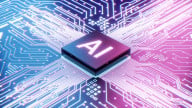
AI is increasingly incorporated into leading-edge embedded systems. Image used courtesy of Avench Systems
In the following subsections, we will take a look at these key innovations in AI-driven embedded systems:
- Edge AI
- Adaptive Algorithms
- Energy-Efficient AI Chips
- Real-Time Analytics
- Advanced Security Features
Edge AI
It is a significant breakthrough to combine AI with edge computing. Edge AI enables local data processing on the device, thereby reducing latency and dependence on cloud infrastructure. For instance, using edge AI, an autonomous drone can process sensor data in real time to make split-second navigation decisions.
Adaptive Algorithms
Machine learning models embedded in devices allow systems to learn from historical data and improve their performance over time. Embedded software development must incorporate adaptive algorithms to make devices smarter—from a smart home assistant learning the user's preferences to a manufacturing robot optimizing assembly line operations.
Energy-Efficient AI Chips
Advances in hardware, such as Tensor Processing Units (TPUs) and AI accelerators, allow for complex computations with minimal energy consumption. The chips are also designed for embedded environments, so performance is not sacrificed while efficiency is ensured.
Real-Time Analytics
AI-driven embedded systems can process large amounts of data in real time. It is a key requirement in areas like healthcare for vital sign monitoring and in automotive for collision avoidance systems.
Advanced Security Features
AI models are increasingly used to detect and respond to security threats proactively. AI-driven systems can detect anomalies in device behavior, thereby preventing potential security breaches. This adds a robust layer of security for embedded devices.
Applications of AI-Driven Embedded Systems
AI-driven embedded systems are creating waves across various sectors by offering transformative solutions to long-standing problems. Here are some examples across a variety of industries.
- Healthcare: Embedded AI in wearable devices enables continuous health monitoring and early detection of conditions like heart arrhythmia or sleep apnea. AI-powered insulin pumps can adjust dosages based on real-time glucose monitoring, improving patient outcomes.
- Automotive: Advanced Driver Assistance Systems (ADAS) rely on embedded AI to process data from cameras, radar, and LiDAR for real-time decision-making. This technology is a cornerstone of autonomous driving, ensuring safety and efficiency on the roads.
- Manufacturing: AI-driven embedded product designs can predict maintenance through real-time analysis of equipment performance. This minimizes downtime and prolongs the life of machinery, saving costs and increasing productivity.
- Consumer Electronics: From smart speakers to AI-driven thermostats, consumer devices use embedded AI to offer personalized and seamless user experiences.
- Agriculture: Precision agriculture solutions utilize AI-embedded devices to monitor soil conditions, weather patterns, and crop health, optimizing resource usage and increasing yields.
The Road Ahead: 2025 Industry Trends
As we step forward into 2025, we see a few major trends emerging for AI-driven embedded systems. For example, framework standardization allows for better integration and easier development when using open-source platforms like TensorFlow Lite and PyTorch Mobile
In addition, new system-on-chip (SoC) products with built-in AI features are rapidly gaining momentum. These chips provide better performance at lower costs than traditional silicon products.
Engineers are now working on energy-efficient “green-AI” algorithms and hardware to reduce environmental impact.
Governments worldwide are providing enhanced regulatory support. This includes introducing policies and incentives for adopting AI in embedded systems, especially in critical sectors like healthcare and infrastructure.
Industry collaboration among AI specialists, hardware manufacturers, and application developers is creating new AI ecosystems to accelerate innovation and fast-track time to market.
Challenges vs. Opportunities
The scope for AI-driven embedded systems is incredibly vast, yet challenges still remain. Proper governance frameworks are necessary to balance the benefits of AI without sacrificing privacy. In certain sectors, significant development and deployment costs might delay widespread adoption.
As the field changes rapidly, a technical skills gap may emerge. Engineers will need significant training in AI and embedded system integration to exploit these technologies fully.
However, the opportunities outweigh the challenges since AI-driven embedded systems continue to push the innovation envelope. AI-driven embedded systems development is unlocking a future of smarter, more efficient, and adaptive technologies. From healthcare to automotive and beyond, these systems are solving complex problems that traditional solutions could not address.
Engineers, developers, and businesses that embrace these advancements are poised to lead the charge in this transformative era. AI and embedded systems will redefine industries and empower humanity with devices that think, learn, and evolve.
The journey has just begun, and the possibilities are limitless.