
 Facebook
 Google
 GitHub
 Linkedin
Omnivision’s New CMOS Image Sensor Solves Camera Lighting Woes
Omnivision says its new image sensor captures sharp HDR video in any light, combining speed, clarity, and efficiency for premium phones and action cameras.
Omnivision has released a new image sensor featuring the company's second-generation TheiaCel technology for high-end smartphones and action cameras.
The new sensor tackles the complex issue of lighting in image capture. Indoor lighting can make images appear noisy and lose detail, while outdoor lighting from the sun can wash out reflective areas entirely. Cameras must strike a balance with dynamic range, noise control, and power efficiency, all while miniaturizing sensors and their housings.
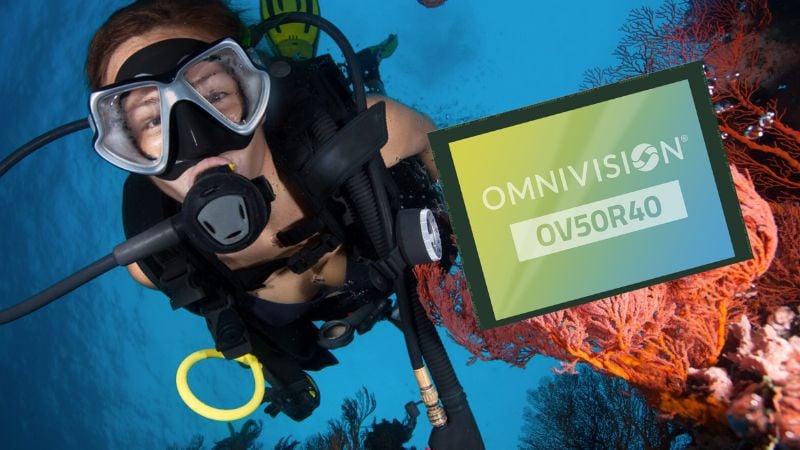
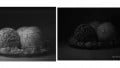
Omnivision says the OV50R40 can provide quality images under any lighting condition.
The new OV50R is a 50-megapixel sensor that delivers up to 110 dB of dynamic range in a single exposure. This allows it to capture both bright and shadowed areas in one frame without losing detail. Omnivision designed the OV50R for premium smartphones, vlog cameras, and compact action devices, giving manufacturers a reliable imaging option that performs consistently in both bright and dim conditions.
Brighter HDR, Lower Power
The OV50R expands Omnivision’s TheiaCel lineup, which began with the OV50X earlier this year. While both use the same single-exposure HDR approach, the OV50R improves current energy efficiency by roughly 20 percent compared to the earlier model, representing significant savings for users who record long HDR videos.
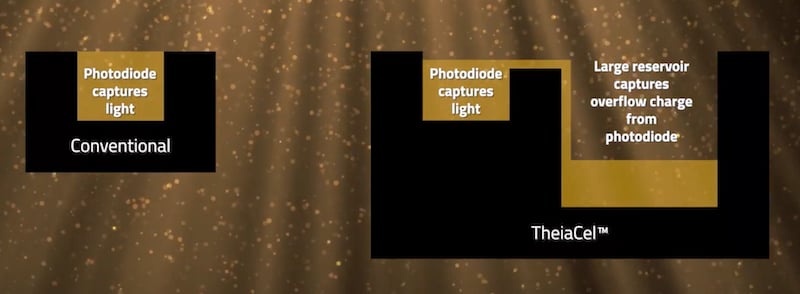
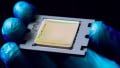
TheiaCel has a large overflow reservoir, giving it a high dynamic range.
The sensor is based on Omnivision's PureCel Plus S stacked die process and features a 1.2 micrometer pixel in a 1/1.3 inch optical format. It supports four-cell binning for 12.5-megapixel output at 120 frames per second or full resolution capture at 30 frames per second. For video, the device handles 4K recording at 60 frames per second with three-channel HDR. It also offers 8K output through dual analog gain processing. This combination of speed and sensitivity may help deliver clean video while keeping data rates manageable.
Sharper Focus and Smarter Imaging
Omnivision also improved focus performance in the new sensor. The OV50R uses full-frame, quad-phase detection coverage, allowing accurate focus tracking in both well-lit and low-light conditions. This feature, combined with the device's multi-channel HDR pipeline, results in steadier focus transitions and reduced motion artifacts. Single-exposure HDR capture also eliminates the ghosting and misalignment issues that sometimes occur with multi-frame HDR techniques.
This gives content creators and manufacturers a more stable starting point for image processing. Fewer artifacts at the hardware level mean fewer corrections downstream, which simplifies tuning and shortens time to market for new camera modules.
A Sensor Built for Every Lighting Condition
With the OV50R, Omnivision is building on the same HDR concept it introduced for top-end phones—that is, improving dynamic range without relying on multiple exposures or heavy post-processing—and adapting it for a wider range of cameras. While earlier sensors were mostly reserved for flagship models, this version makes it a practical option for mid-range smartphones and compact cameras, too.
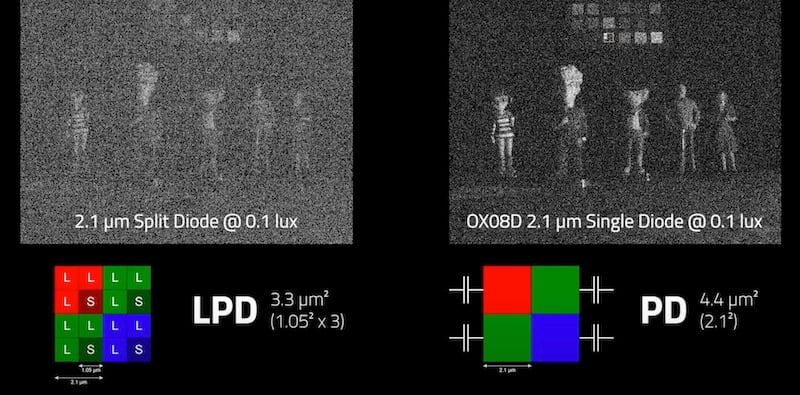
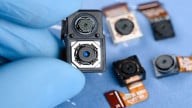
OV50R features single PD LOFIC for sharper low-light performance.
The sensor connects through standard MIPI interfaces and supports 14-bit RAW output, so it fits into existing camera designs without much rework. The OV50R40 also features an updated power design that stabilizes power consumption during long recordings, reducing the color and temperature drift that can creep in as the sensor warms up
The OV50R brings together speed, dynamic range, and lower power draw in a single compact design, extending the reach of TheiaCel technology across more devices. For smartphone and camera makers, it provides a way to deliver consistent, high-quality results whether users are filming under bright sunlight or a flickering streetlight.
All images used courtesy of Omnivision.









I just set up a new phone last night…I have no idea what sensor it has in it at the moment, but whatever it has, it looks much better to me than my old phone (which was still very nice to take pictures with using Open Camera). Reading this announcement, I’m wondering if this sensor might make certain machine vision tasks better or easier? I’m thinking things like cameras for self-driving vehicles, which might have to deal with sun glare in the daytime, or on-coming headlights at night; it seems like it might be something that could help with those issues…hopefully it will become available in a module for the RasPi and/or other systems (though I imagine it won’t be a cheap module)...