Facebook
 Google
 GitHub
 Linkedin
Siemens and ASU Launch Online Certificate Program for PCB Design
Learners gain practical experience with industry-standard software through a self-paced curriculum covering schematic capture, layout, and DFM verification
Siemens Digital Industries Software and Arizona State University have introduced a new online microcredential aimed at closing the industry's growing shortage of job-ready printed circuit board (PCB) designers. The program, called “PCB Design Fundamentals: From Discovery to Production,” went live on July 28, 2026, and is offered through ASU's Ira A. Fulton Schools of Engineering in partnership with Siemens.
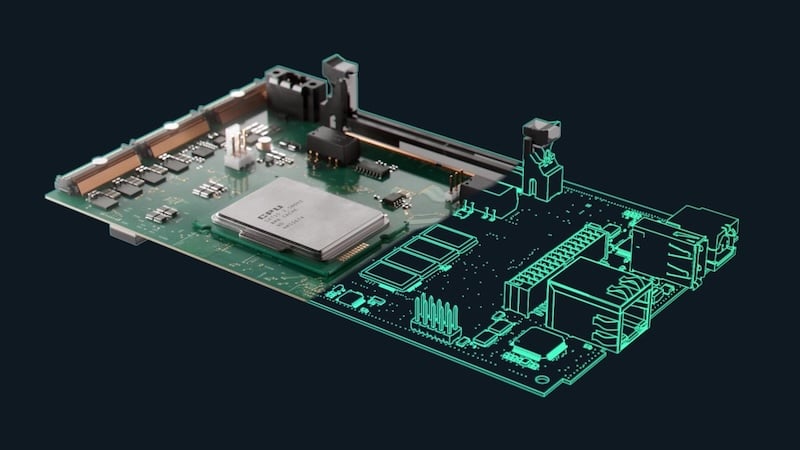
The new self-paced microcredential covers the full PCB design workflow, from schematic capture through manufacturability checks. Image used courtesy of Siemens
Four Stackable Courses Covering the Full Workflow
The self-paced program is built around 40 hours of instruction spread across four stackable courses:
- PCB Design Basics: Components, Materials and Manufacturing
- PCB Schematic Design and Circuit Development
- PCB Layout Design: Placement, Routing and DRC
- PCB Design for Manufacturing (DFM) and Verification
Each module walks learners through a stage of the PCB development process. It begins with initial component selection and continues through schematic capture, physical layout, and routing. The final section focuses on design for manufacturability and verification.
Coursework is delivered entirely online through pre-recorded lectures. Each module is unlocked only after the previous one is completed. All hands-on labs run inside the Skillable virtual lab environment using Siemens' Xpedition PCB design software. This gives students direct experience with a tool already widely used across the electronics industry. ASU estimates most learners will finish the full sequence in about three months at a pace of three to four hours per week. The courses can also be purchased individually.
Who Can Enroll
No prior electronics design experience is required. The companies say the program is designed to serve a broad mix of learners from undergraduate engineering students building industry-ready skills to engineers from adjacent disciplines who need to pick up PCB fundamentals. Enrollment is open now through ASU's CareerCatalyst platform at an introductory rate of $899, with no payment plan currently offered.
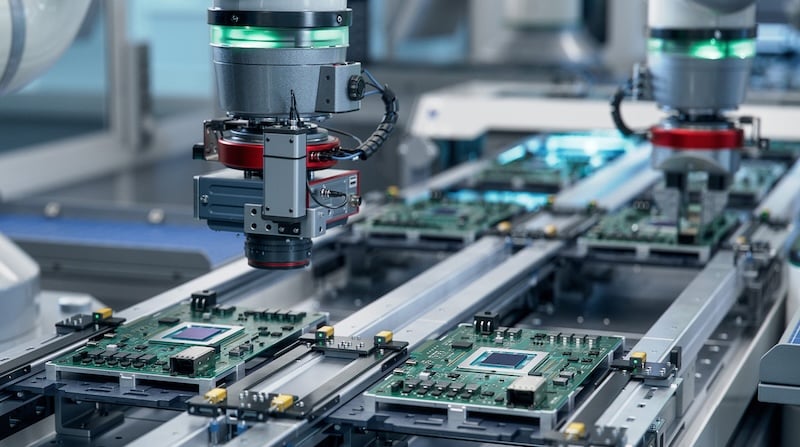
The PCB design certificate program does not require prior electronics design experience. Image used courtesy of ASU
Graduates who complete the sequence earn two credentials: a professional certificate from ASU and a shareable microcredential badge from Siemens that can be posted to LinkedIn. Successful learners can also opt into Siemens' talent directory, which connects qualified candidates with employers searching for PCB design skills.
Closing the PCB Design Skills Gap
The launch responds to a skills gap that has become more acute as demand for PCB designers accelerates across AI infrastructure, electric vehicles, and medical devices. In each of these sectors, hardware complexity is increasing faster than the pipeline of trained designers.
The partnership also reflects a bigger bet: that standardized, portable credentials can verify real design skills without requiring a full degree. Siemens and ASU pair a university credential with a vendor-recognized badge tied to widely used commercial software. That combination positions the microcredential as a fast on-ramp — for newcomers entering PCB design, and for working professionals who want to prove they already have the skills.
Related Content